How to Move a Couch Upstairs, Move a Dresser Alone, and Move Heavy Furniture Safely

Moving heavy furniture is one of those tasks that looks easier than it really is. If you’re a student or renter living in a tri-level home, an apartment with narrow staircases, or off-campus housing, you’ve probably asked yourself: How do I move a couch upstairs? or How can I move a dresser alone? The truth is, these moves are often more dangerous and exhausting than people expect.
I’ve seen many first-time renters and students underestimate the challenge. Trying to DIY these moves can lead to injuries, damaged furniture, or worse. Instead of struggling with awkward angles and tight spaces, it’s smarter to understand the risks and know when to get help.

Why Moving Heavy Furniture Yourself Is Risky
Moving heavy furniture like couches, dressers, or bed frames isn’t just about muscle. It’s about technique, planning, and safety. Here’s why trying to do it alone or without experience can be a problem:
Injuries happen fast. Back strains, pulled muscles, and even slips can occur when you don’t have the right support or tools.
Tight staircases and narrow hallways make it worse. Many apartments and tri-level homes have spaces that don’t allow easy maneuvering.
Furniture can get damaged. Scratches, broken legs, or torn upholstery are common when furniture is forced through tight spots.
It’s exhausting and time-consuming. What seems like a quick move can take hours and leave you drained.
If you’re a first-time renter or student, you might not have the right equipment or experience to handle these challenges safely.
How to Move a Couch Upstairs Without Hurting Yourself
If you absolutely must move a couch upstairs yourself, here are some tips to reduce risk:
Measure everything first. Check the couch dimensions and the stairwell width and height. Make sure it will fit before you start.
Clear the path. Remove rugs, decorations, or anything that could trip you.
Get help if possible. Even one extra person makes a big difference.
Use furniture sliders or moving straps. These tools help reduce friction and distribute weight.
Lift with your legs, not your back. Keep your back straight and bend your knees.
Take breaks. Don’t rush. Moving heavy furniture is tiring.
Still, if your couch is large or the stairs are tight, it’s better to call professionals who know how to handle these situations safely.
How to Move a Dresser Alone Without Injury
Moving a dresser alone is even tougher. Dressers are heavy, bulky, and often awkward to carry. Here’s how to do it safely if you have no choice:
Empty the dresser. Remove all drawers and contents to lighten the load.
Use a dolly or hand truck. This tool can help you move the dresser without lifting it fully.
Protect your floors. Place a blanket or cardboard under the dresser to avoid scratches.
Lift carefully. If you must lift, keep the dresser close to your body and lift with your legs.
Slide instead of lift. If you can, slide the dresser on a blanket or sliders rather than lifting it.
Even with these tips, moving a dresser alone is risky. You can easily lose balance or strain muscles. If the dresser is heavy or the path is tricky, professional help is the safer choice.
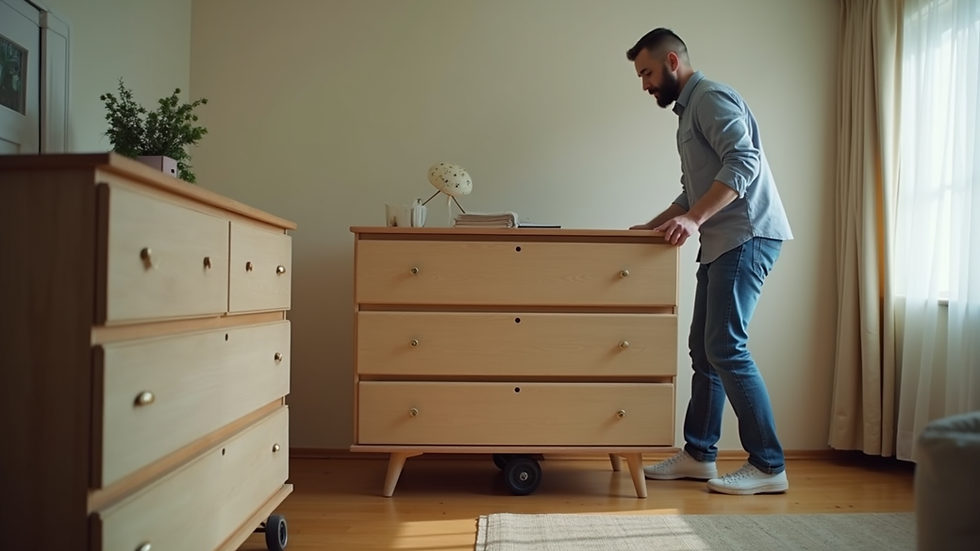
How to Move Heavy Furniture Safely Every Time
Safety should be your top priority when moving any heavy furniture. Here are some general rules to follow:
Plan your route. Know exactly where the furniture will go and clear the path.
Use the right tools. Furniture sliders, dollies, straps, and gloves can make a big difference.
Lift properly. Always bend your knees and keep your back straight.
Ask for help. Don’t try to do it all alone if the item is heavy or bulky.
Take your time. Rushing leads to accidents.
Protect your furniture and home. Use blankets or pads to avoid damage.
If you live in a tri-level home or an apartment with narrow staircases, these tips are even more important. Tight spaces increase the risk of injury and damage.
When to Stop Googling and Call CampusHaul
If you’ve been searching for how do I move a couch upstairs or how to move a dresser alone, it’s time to stop. These are not moves you should DIY. Instead, consider professional help like CampusHaul.
CampusHaul specializes in moves that are tough for students and renters. Their movers handle:
Tight staircases
Heavy couches and sectionals
Dressers and wardrobes
Bed frames
In-home moves
Upstairs and downstairs swaps
They use the right equipment and techniques to keep your furniture safe and avoid injuries. Plus, their tech-driven service offers instant pricing and real-time tracking, making your move transparent and stress-free.

Why CampusHaul Makes Moving Easier
Trying to move heavy furniture yourself can lead to costly mistakes. CampusHaul’s professional crews have the experience and tools to make your move smooth and safe. They serve Virginia, North Carolina, and nearby areas, focusing on student moves, apartment relocations, and storage solutions.
If your voice assistant can’t lift your couch, CampusHaul can. Book your in-home or full move today and avoid the risks of DIY heavy lifting.
Moving heavy furniture is not just about strength. It’s about safety, planning, and the right help. Don’t risk injury or damage by trying to do it alone. Trust the experts who know how to handle the toughest moves.
If you want to learn more or book a move, check out CampusHaul’s services and see how they can make your next move easier and safer.



Comments